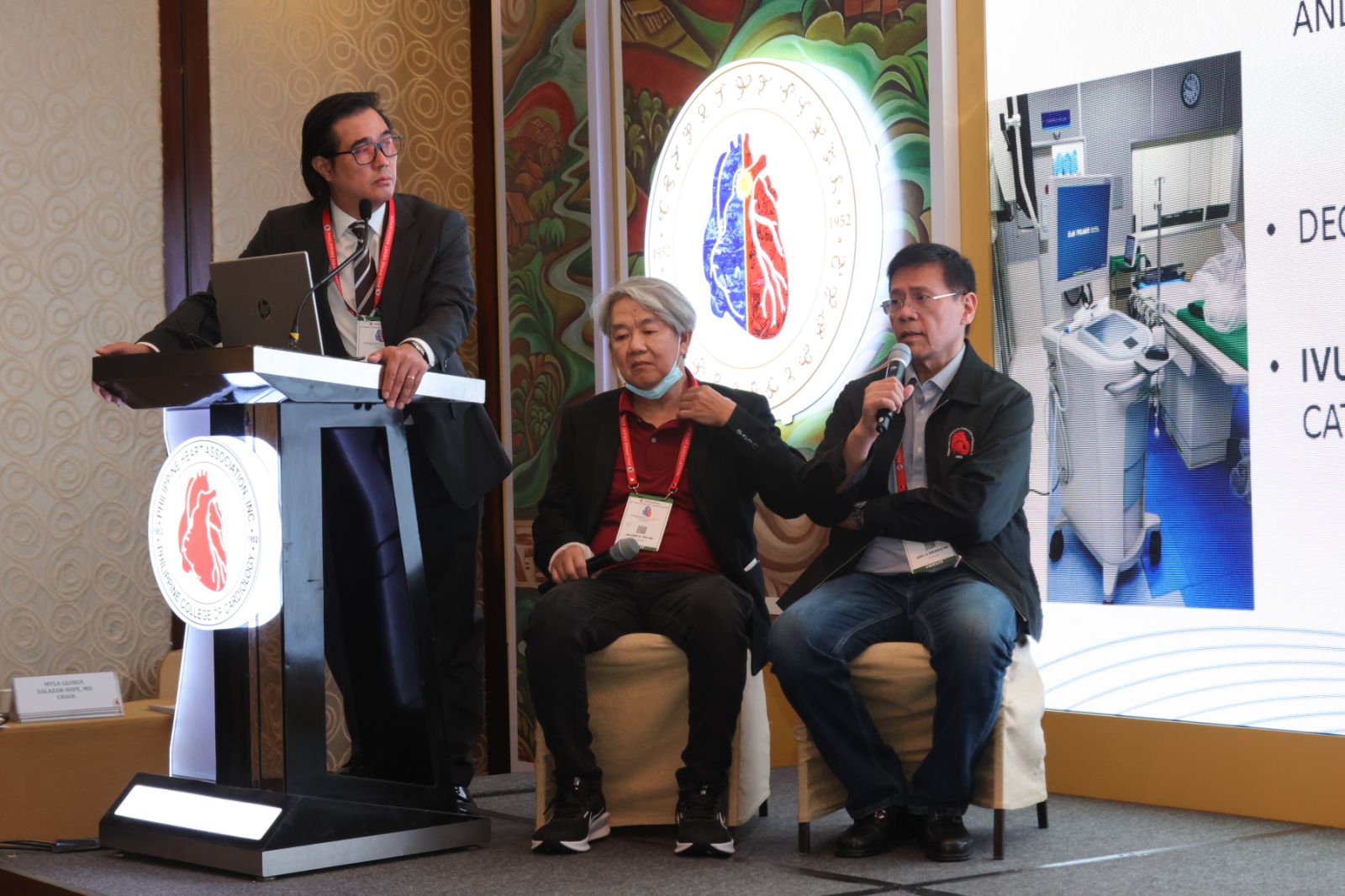
Fr. L: Drs. Jose Paolo Prado, Wilfred Dee, Ariel Miranda are among the country’s eminent cardiac cath specialists
MANILA — Interventional cardiologists are redefining the boundaries of complex coronary interventions as novel technologies challenge long-standing practices regarding permanent metallic stenting in patients with severe heart disease.
During a medical conference masterclass on Thursday, The Medical City’s Acute Myocardial Infarction (AMI) Clinical Care Program Director Dr. Jose Paolo Prado led a discussion about the evolving clinical roles of drug-coated balloons (DCBs), intravascular ultrasound (IVUS) imaging, and advanced plaque modification tools like intravascular lithotripsy (IVL).
The event, which forms part of the Philippine Heart Center 56th Annual Convention and Scientific Meeting, centered on two highly complex cases that highlighted a growing push toward "leaving nothing behind" in coronary arteries, balanced against the proven track record of traditional drug-eluting stents (DES).
Full-metal jacket vs. hybrid strategy
The first clinical presentation was delivered by Dr. Michael John Barcelona, who is a certified cardiologist and internist.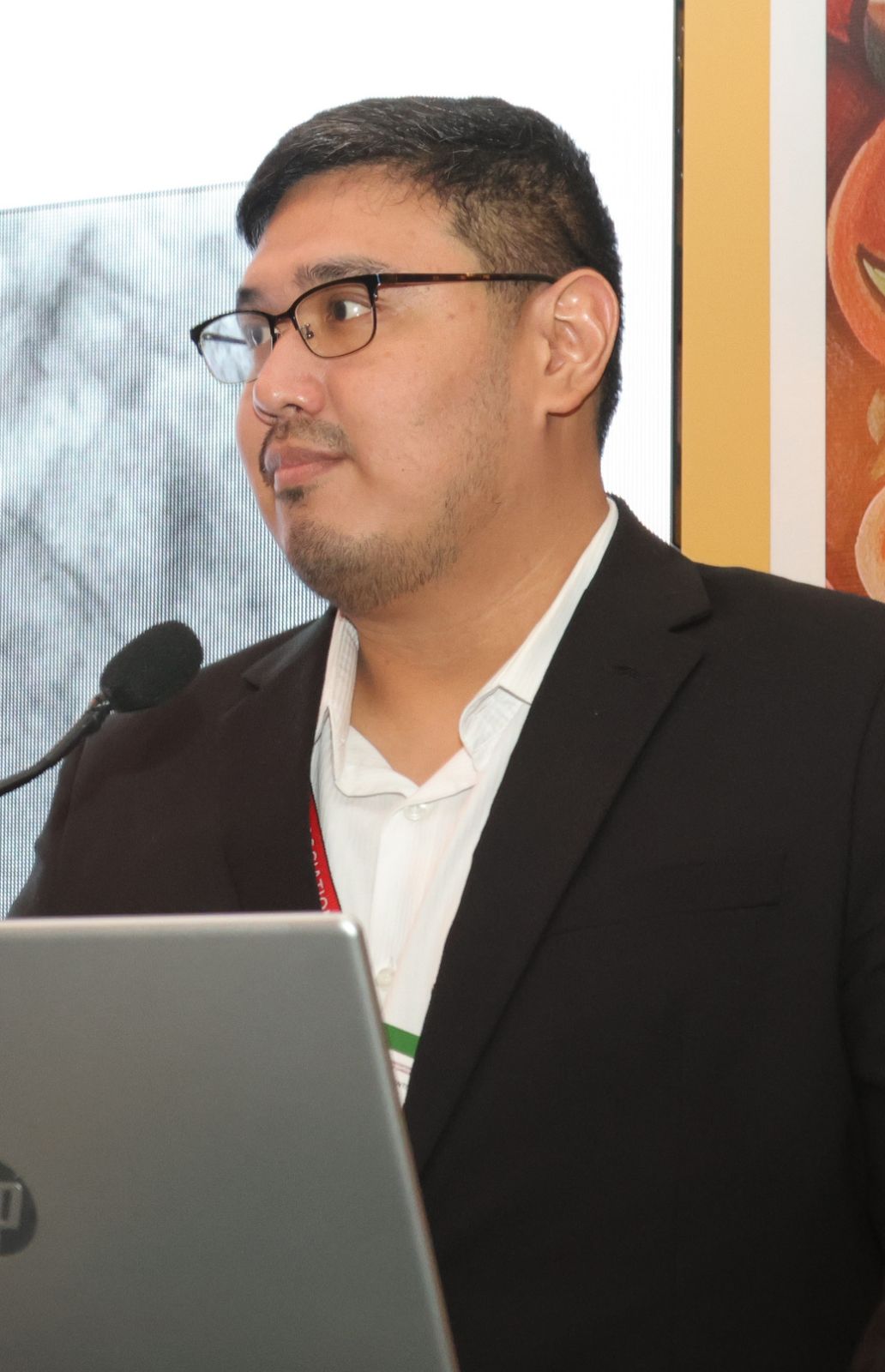
Dr. Barcelona, who works at Dr. Pablo O. Torre Memorial Hospital, detailed the treatment of a young patient with diffuse left anterior descending (LAD) artery disease.
He achieved a successful angiographic result by implanting four back-to-back drug-eluting stents—creating a "full-metal jacket" across the entire length of the vessel—followed by high-pressure, non-compliant balloon post-dilatation.
While the procedural result was optimized, the approach sparked intense debate among the panel over the long-term implications for younger patients.
The panel questioned whether a hybrid approach—stenting the proximal segment and utilizing a DCB distally—would have been more advantageous.
Panelists noted that lining an entire main vessel with metal permanently "jails" the artery, which can severely compromise future surgical options, such as a Left Internal Mammary Artery (LIMA) bypass graft, should the patient develop in-stent restenosis (ISR) later in life.
"I would use drug-coated balloons as long as the vessels are not heavily calcified," Cardinal Santos Medical Center Department of Internal Medicine Chair Dr. Ariel Miranda said.
He noted that severe calcification prevents proper drug absorption. He also emphasized that operators must achieve a "stent-like" result during initial plaque preparation.
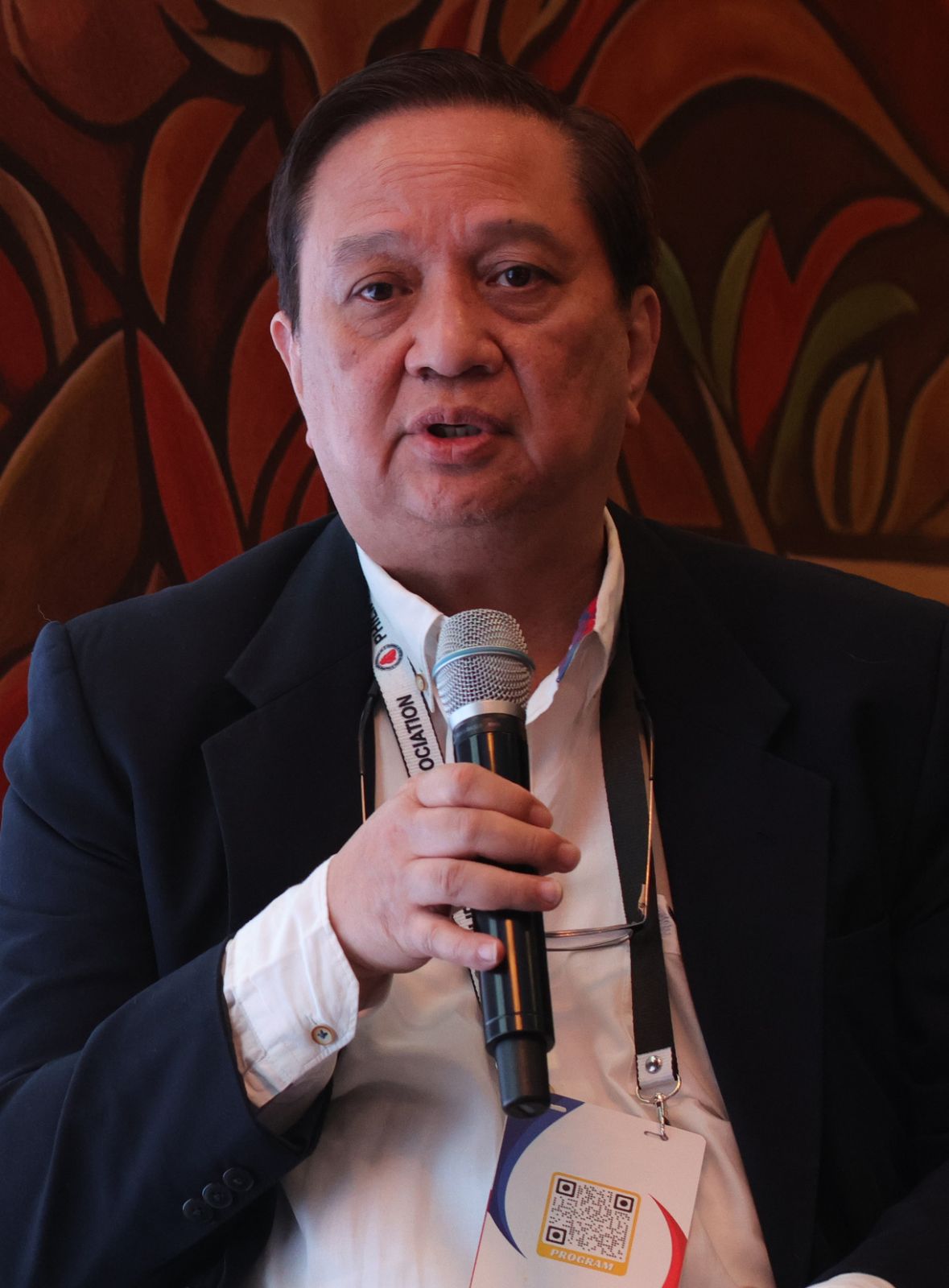 If a repeat angiogram 15 minutes post-dilation reveals elastic recoil or vessel collapse, a DCB should be avoided.
Meanwhile, National Kidney and Transplant Institute Catheterization Laboratory Head Dr. Rogelio Tangco expressed strong reservations regarding the widespread use of DCBs in long, diffuse lesions.
He cited data showing that up to 90 percent of a balloon's therapeutic drug coating can be scraped off as it traverses long, calcified, and tortuous anatomy.
"Even if you successfully deploy the drug-coated balloon, only 17 to 20 percent of the drug transfers to the tissue," Dr. Tangco stated, questioning the clinical trend toward metal-free strategies in major conduits.
Milestone procedure highlights calcium modification
The second case was presented by The Medical City Iloilo Acute Myocardial Infarction Program Head Dr. Kristy Garganera-Tugbang.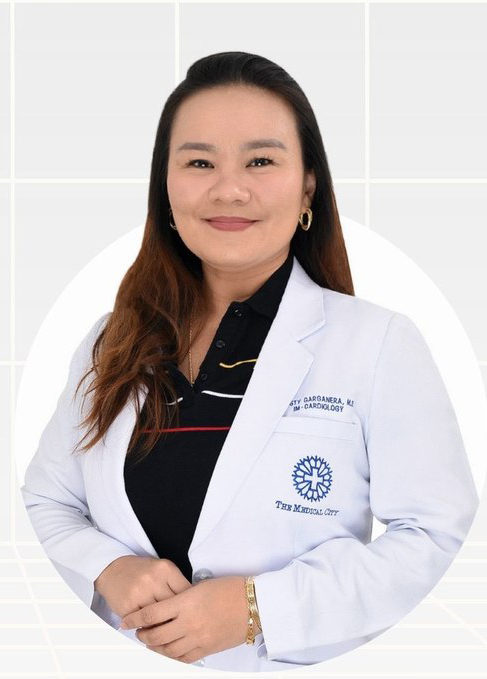
It highlighted a regional medical milestone, which is the first successful coronary intravascular lithotripsy (IVL) procedure performed in the Western Visayas region.
It involved a 66-year-old female patient with an intermediate-to-high SYNTAX score of 32. Angiography revealed a 70-percent distal Left Main (LM) stenosis, a heavily calcified mid-LAD, and a massive 6.4 mm pre-stenotic aneurysmal dilatation in the proximal LAD.
While the hospital’s heart team initially recommended coronary artery bypass graft (CABG) surgery, the patient and her family opted for percutaneous intervention (PCI).
During the procedure, standard non-compliant balloons inflated up to 20 atmospheres failed to expand the mid-LAD, meeting the criteria for a "balloon-undilatable" lesion.
Dr. Garganera-Tugbang utilized an IVL catheter, which emits acoustic shockwaves to selectively fracture deep calcium rings without injuring the soft vascular tissue.
Following 60 shockwave pulses at 6 atmospheres, the calcium ring was successfully fractured, allowing for the safe deployment of a distal stent and a mid-vessel DCB.
Left main DCB use sparks controversy
The management of the patient's 6.4 mm proximal LAD aneurysm and Left Main stenosis divided the panel.
While some operators suggested stenting directly through the aneurysm to exclude the risk of future thrombosis, IVUS imaging revealed the aneurysm was composed of stable, eccentric fibrofatty plaque rather than active thrombus.
The operating team ultimately chose to spare the aneurysm segment, a decision supported by conference attendees who noted that standard coronary stents cannot safely expand to a 6.4 mm diameter without risking structural damage or malapposition.
The most controversial aspect of the case was the operator’s decision to utilize a pure DCB strategy in the Left Main artery following plaque modification with a 3.5 mm cutting balloon.
Current international guidelines and data from the European Bifurcation Cohort strongly favor the placement of permanent metallic stents from the Left Main into the ostial LAD, reserving DCB applications primarily for smaller side branches like the Circumflex.
The panel noted that a pure DCB strategy in a critical primary conduit like the Left Main lacks long-term randomized clinical trial data.
Although the immediate angiographic outcome was successful, the panel recommended a mandatory follow-up angiogram within one to three months to monitor for potential early elastic vessel recoil or restenosis.
The conference concluded with a unanimous consensus on the necessity of intravascular imaging in modern complex PCI to mitigate procedural risks and ensure long-term patient outcomes in complex coronary cases.
Experts emphasized that angiography alone is insufficient for assessing true vessel size, plaque composition, and stent expansion.
Dr. Prado said that advanced diagnostic tools like IVUS are increasingly accessible outside major metropolitan centers and are now operational in provincial hospitals.